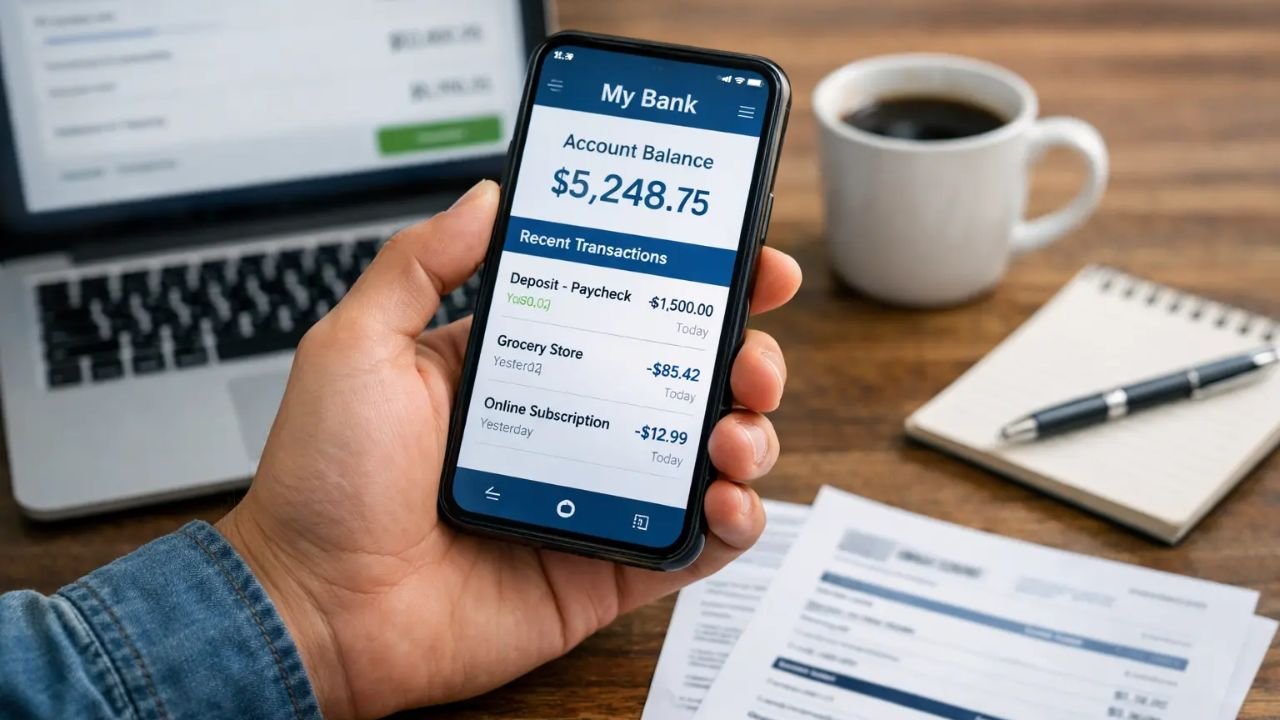
The IRS is expected to begin sending $2,000 direct deposit payments starting April 18, prompting many taxpayers to check their eligibility and prepare their accounts. If you are expecting a payment, understanding how the process works can help you avoid delays, confirm delivery, and protect yourself from scams.
This guide explains what to expect, who may qualify, how to verify your payment status, and the steps you should take now to stay prepared.
$2,000 Direct Deposit IRS Update: What to Expect in April

According to recent updates, qualifying recipients may begin seeing $2,000 payments deposited starting April 18. Direct deposit remains the fastest method of delivery, typically arriving within one to three business days after the IRS releases funds.
However, timing can vary depending on your bank’s processing schedule and the accuracy of your financial details.
How Payments Are Delivered
Most eligible recipients receive payments through one of the following methods:

Direct Deposit
Funds are sent to the bank account listed on your most recent tax return.
Paper Check
If no bank account is available, the IRS may issue a physical check.
Prepaid Debit Card
In some cases, payments are issued via government-issued debit cards.

After your payment is processed, an official notice is usually mailed explaining the amount and delivery method.
$2,000 Direct Deposit Eligibility Rules
Eligibility for a $2,000 IRS payment generally depends on your tax history, income level, and filing status. The IRS uses your most recent tax return to determine qualification.
Basic Eligibility Requirements
You may qualify if you meet these general conditions:
Filed a Recent Tax Return
Most programs require filing a 2022 or 2023 tax return, or registering through an official non-filer process when available.
Meet Income Limits
Adjusted Gross Income (AGI) thresholds are commonly used to determine eligibility.
Have Valid Identification Numbers
Qualifying Social Security numbers are typically required for taxpayers and dependents.
Meeting these conditions does not guarantee payment, but it increases the likelihood of eligibility.
Who Is Likely Not Eligible
While many taxpayers qualify, certain individuals may be excluded based on specific criteria.
Common Exclusion Scenarios
You may not qualify if:
Your Income Exceeds Program Limits
Higher-income households often fall outside eligibility thresholds.
You Are Claimed as a Dependent
Individuals listed as dependents on another tax return are typically not eligible.
You Are a Non-Resident Taxpayer
Residency status may affect eligibility in certain programs.
If you believe you should qualify but do not receive a payment, there may still be ways to claim the funds later.
How to Confirm Your Payment Status
Preparation is key to avoiding payment delays. Confirming your information before April 18 can improve your chances of receiving funds smoothly.
Steps to Verify Your Details
Follow these practical steps:
Check Your Latest Tax Return
Review your most recent filing to confirm:
- Bank routing number
- Account number
- Filing status
- Listed dependents
Use Official IRS Tools
Online tracking systems may allow you to check payment status and expected delivery dates.
Monitor Your Mailbox
Watch for official letters confirming payment details.
Ensuring your information is accurate reduces the risk of processing errors.
What to Do If You Don’t Receive a Payment by Early May
If April 18 passes and your payment has not arrived within two weeks, take action promptly.
Steps to Take if Payment Is Missing
Verify Eligibility Again
Review your tax return and income eligibility rules.
Check Bank Activity Carefully
Look for deposits labeled as federal or government payments.
Look for IRS Mail Notices
Official letters often explain delays or returned payments.
Use IRS Assistance Tools
If no updates appear, contact official support channels for clarification.
Acting early prevents extended delays.
How to Claim a Missed Payment
If you qualify but never receive a payment, you may still be able to claim it through your tax filing.
Claiming Through a Tax Credit
Many payment programs allow individuals to:
- Claim missing funds as a credit
- Submit supporting documentation
- Correct errors through amended returns
Keeping accurate financial records makes this process easier and faster.
Security and Scam Prevention Tips
Whenever government payments are announced, scammers attempt to exploit public interest. Staying alert protects your finances and identity.
Common Scam Warning Signs
Watch for:
Unexpected Calls or Messages
Scammers often pretend to represent government agencies.
Requests for Sensitive Information
No legitimate agency will ask for passwords or banking credentials through text or email.
Urgent Demands
Messages pressuring immediate action are often fraudulent.
Fake Links
Always type official website addresses directly into your browser.
Maintaining caution helps you avoid costly mistakes.
Real-World Example: How One Recipient Prepared
Consider a typical taxpayer who expected a payment after filing a recent return.
She ensured her banking details were correct before April 18 and enabled account notifications to monitor deposits. When funds arrived, she confirmed the transaction details and saved official notices for documentation.
Steps That Helped Ensure Smooth Delivery
- Filed returns on time
- Verified bank account accuracy
- Enabled deposit alerts
- Stored copies of financial records
Preparation played a major role in avoiding delays.
Checklist: What to Do Now
Use this simple checklist to stay ready for potential payments.
Confirm Your Filing Status
Ensure your recent tax returns are submitted and accurate.
Verify Banking Details
Double-check routing and account numbers.
Monitor Accounts Starting April 18
Check regularly for new deposits.
Save Official Notices
Keep all mailed and digital records.
Ignore Suspicious Messages
Report suspected scams immediately.
Taking these steps improves payment accuracy and security.
Smart Financial Habits to Follow During Payment Periods
Handling government payments responsibly supports long-term financial health.
Recommended Financial Practices
Maintain Organized Records
Store tax forms and payment confirmations securely.
Set Up Account Alerts
Notifications help you track incoming funds quickly.
Avoid Immediate Spending
Confirm payment legitimacy before using funds.
Plan Your Budget Carefully
Use funds strategically to strengthen financial stability.
Responsible management ensures lasting value from any payment received.
Final Thoughts: Stay Prepared for April Payments
The $2,000 IRS direct deposit beginning April 18 has created widespread interest among taxpayers. While payment timelines and eligibility vary, preparation remains the most effective way to ensure smooth delivery.
By verifying your tax information, monitoring your accounts, and staying alert to scams, you can confidently manage your finances during this payment period.
If uncertainty remains about your eligibility or payment status, seeking professional guidance or reviewing official IRS resources can provide clarity and peace of mind.