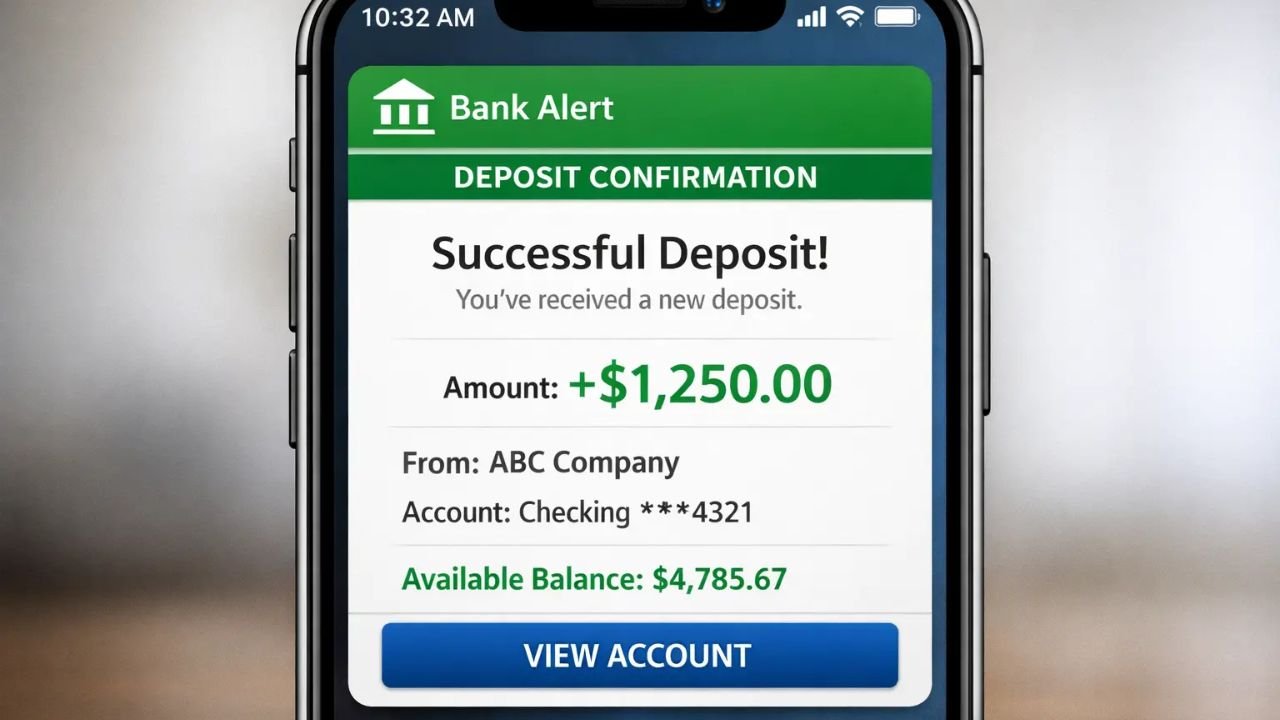
Unexpected financial notifications often create both excitement and concern, especially when they involve government deposits. Recently, many taxpayers have reported seeing alerts related to a $1,390 IRS direct deposit, leading to widespread questions about eligibility, authenticity, and next steps.
Understanding what this alert means—and how to verify it safely—can help you protect your finances while ensuring you receive any funds you are entitled to.
What the IRS $1,390 Direct Deposit Alert Means

A $1,390 direct deposit linked to the IRS typically represents a refund adjustment, tax credit reconciliation, or corrected payment tied to a previously filed tax return.
While the exact reason varies, these deposits are usually connected to routine tax processing rather than new or unexpected government programs.
Common Reasons for a $1,390 Deposit
Several legitimate situations may result in this specific deposit amount:

Refund Adjustments
After reviewing a filed return, the IRS may adjust refund amounts due to recalculated credits or corrected information.
Tax Credit Reconciliation
Refundable credits—such as child-related credits or earned income benefits—are sometimes recalculated after submission.
Amended Return Processing
If you filed an amended return, additional funds may be issued after corrections are finalized.

Previously Missed Credits
Some taxpayers discover eligibility for credits they did not originally claim.
Understanding these possibilities helps prevent unnecessary panic while keeping you alert to potential scams.
How to Confirm an IRS $1,390 Direct Deposit
Before assuming the payment is valid—or fraudulent—it is essential to verify the source through trusted methods.
Step-by-Step Verification Process
Follow these simple but critical checks:
1. Review Your Bank Statement
Check the transaction details carefully. Look for:
- Official payer descriptions
- Federal payment identifiers
- Matching deposit amounts
- Processing timestamps
2. Log Into Your IRS Online Account
Access your secure tax account directly through the official website. Avoid clicking links sent via email or text.
Once logged in, review:
- Recent payment activity
- Refund history
- Notices and messages
- Account adjustments
3. Check Your Latest Tax Return
Look at the refund section of your most recent filing. Compare expected refund amounts to the deposit.
4. Watch for Official Mail Notices
The IRS typically sends written notices explaining refunds, corrections, or adjustments.
If you receive a deposit but no notice, verification becomes even more important.
Documents You Should Keep Ready
Maintaining organized records speeds up verification and reduces stress during financial reviews.
Key documents include:
- Your most recent Form 1040 tax return
- Any IRS letters received by mail
- Bank statements showing deposits
- Supporting documents for claimed credits
- Identification documents if verification is required
Keeping these records accessible ensures smooth communication with financial institutions or tax professionals.
Who Might Qualify for a $1,390 IRS Deposit
Eligibility is not universal. Each payment originates from specific tax-related circumstances.
Typical Eligibility Scenarios
You may qualify if you meet one or more of the following conditions:
You Filed a Recent Tax Return
Most direct deposits occur after recent filings are processed.
You Claimed Refundable Credits
Refundable tax credits often lead to additional payments after recalculation.
You Submitted an Amended Return
Corrections to previously filed returns can generate supplemental refunds.
You Overpaid Taxes
Overpayments discovered during processing are refunded automatically.
Each taxpayer’s situation differs, so confirming details within your account is essential.
How to Check If You Personally Qualify
If you suspect that the deposit may belong to you, use a structured approach to confirm eligibility.
Practical Ways to Verify Qualification
Access Your Tax Account Dashboard
Review your payment history and transaction records.
Compare Amounts to Refund Lines
Check whether the $1,390 matches refund figures or credit adjustments.
Monitor Amended Return Updates
Processing times vary, and additional payments may appear weeks later.
Consult a Certified Tax Professional
If details are unclear, expert guidance ensures accuracy.
This careful approach protects your finances and prevents misunderstandings.
Warning Signs of Fraudulent Deposit Alerts
Scammers frequently use financial alerts to trick individuals into revealing personal information.
Recognizing warning signs can prevent identity theft and financial loss.
Common Red Flags to Watch For
Unsolicited Messages
Unexpected texts or emails claiming urgent deposits are suspicious.
Requests for Personal Data
Legitimate agencies do not request passwords or banking credentials via messages.
Pressure to Act Immediately
Scammers often create urgency to bypass careful thinking.
Unknown Links
Never click unfamiliar links claiming to confirm payments.
If you notice any of these signs, treat the situation as potentially fraudulent.
What To Do If You Receive an Unexpected Deposit
Receiving money unexpectedly requires caution and careful documentation.
Immediate Actions to Take
Save Transaction Details
Take screenshots of deposit information for future reference.
Match the Deposit to Records
Compare the amount to expected refunds or credit adjustments.
Avoid Spending Immediately
Wait until you confirm the payment is legitimate.
Contact Your Bank If Necessary
If anything appears suspicious, notify your bank immediately.
Acting responsibly prevents complications later.
When to Contact the IRS or Your Financial Institution
Sometimes deposits require professional clarification.
Situations That Require Direct Contact
Deposit Appears Without IRS Record
If your account shows funds but IRS records do not, investigate quickly.
You Suspect Identity Theft
Unauthorized activity should be reported immediately.
Deposit Amount Is Incorrect
Discrepancies require official review and correction.
Payment Belongs to Someone Else
Misrouted funds must be reported to avoid legal complications.
Taking early action protects your financial standing.
Real-World Example: How One Taxpayer Verified a Deposit
Consider a typical scenario involving a taxpayer who noticed a $1,390 deposit unexpectedly.
After receiving a banking alert, she:
- Logged into her official tax account
- Reviewed her payment history
- Found an adjustment linked to a recalculated credit
- Saved the digital notice for future records
- Confirmed the transaction with her bank
Because she followed a verification process instead of reacting emotionally, she avoided unnecessary stress and potential fraud.
Frequently Asked Questions About IRS Direct Deposits
Can the IRS Send Money Without Prior Notice?
Yes, but most deposits are documented in your tax account and followed by mailed notifications explaining the reason.
What If I Never Provided Bank Details?
Bank information may be retrieved from recent returns if you previously received refunds electronically.
Otherwise, paper checks are typically issued.
How Long Does It Take To Resolve Errors?
Resolution timelines vary, but investigations often take several weeks depending on complexity.
Keeping detailed records helps speed up the process.
Smart Financial Practices for Handling Unexpected Deposits
Managing unexpected funds responsibly reflects strong financial discipline.
Best Practices to Follow
Maintain Accurate Records
Keep digital and printed copies of financial documents.
Use Secure Logins Only
Always access accounts through verified websites.
Avoid Sharing Sensitive Details
Never disclose banking credentials through messages.
Stay Updated on Tax Notices
Regularly monitor your financial accounts and communications.
These habits reduce risk and improve financial confidence.
Final Thoughts: Stay Informed and Protect Your Finances
An IRS $1,390 direct deposit alert does not automatically indicate a problem—but it does require careful verification. Most deposits originate from legitimate tax adjustments, credit reconciliations, or refund corrections.
The key to handling such alerts successfully lies in staying calm, verifying details through official channels, and maintaining organized financial records.
If uncertainty remains, professional advice from a qualified tax expert can provide clarity and reassurance. By following a structured approach, you can confirm eligibility, avoid scams, and ensure your finances remain secure and well-managed.